
Become a Certified Community Cat Caretaker in Hawaii

Aloha, and welcome to the cat caretaker certification program!

This training helps you understand how to manage cats and colonies in Hawaii. We’ll cover feeding best practices, reducing impact on the environment, and how to avoid harming endangered species.

This course should take 2-3 hours to complete. There are two main modules (0ne on cat caretaking and another on Hawaii Wildlife), a program application and a code of conduct agreement. You must complete all of the steps listed below to be considered for the program. Please click to open each tab as you progress through the steps.

Complete the Caretaker Course at Community Cats Podcast

Click here to visit the Community Cat Podcast.

Choose one of the following:

  • A scheduled live class, or
  • The on-demand version

At the registration screen:

  • Enter coupon code: ALOHA
  • Complete the course.
  • Take the quiz
  • Save your Completion Certificate (Download or take a screenshot — you will need to upload this in Step 3)

Provided by Aloha Animal Alliance

This course focuses on:

  • Environmental awareness and stewardship
  • Operating responsibly in sensitive areas
  • Understanding how community cat care fits within Hawaiʻi’s ecological context

To access the course click here.

All prospective caretakers must complete the Caretaker Onboarding Form and Aloha Animal Alliance Code of Conduct Agreement AFTER they complete the training steps above.

The onboarding form will collect information about the colonies you care for and proof of your Community Cats Certification course from step one.

The Code of Conduct Agreement:

  • Confirms humane, best-practice care standards
  • Clarifies expectations for feeding, conduct, and communication
  • Ensures consistency across all managed colonies

Certification cannot be finalized without a signed Code of Conduct on file. Aloha Animal Alliance retains the right to deny certification for any reason. 

Once your documentation, onboarding information, and Code of Conduct are verified, you will receive your Certified Caretaker Kit, which includes:

  • Caretaker hat
  • Safety vest
  • T-shirt
  • Badge

Certified caretakers must wear program identification when feeding for visibility, safety, and program recognition.

Aloha Animal Alliance will schedule a brief orientation covering:

  • Feeding guidelines and expectations
  • Communication pathways
  • Colony coordination
  • What information is tracked (for example: number of cats, sterilization status, feeding schedules, veterinary needs)

Data Collection & Colony Roles — Important Clarification

  • Every managed colony will have at least one designated Colony Data Lead.
  • The Colony Data Lead is responsible for entering and maintaining information using Aloha Animal Alliance’s approved data collection tool.

Caretakers support data accuracy by:

  • Sharing observations
  • Reporting changes or concerns
  • Communicating needs to their Colony Data Lead or the Aloha Animal Alliance team

This structure is part of our Chain of Care — a collaborative system that values clear roles, shared responsibility, and consistent information.

Once this orientation is complete, you are officially activated as a Certified Community Cat Caretaker.

Questions or Need Help?

We understand that online training and new programs can feel challenging at first.

For questions about certification, training, Environmental Steward requirements, onboarding, Code of Conduct agreements, or data coordination, please contact:

alohakitty@alohaanimals.org

Black and brown stray/feral cat standing behind a tree branch

Community Cats

Are you a certified Community Cat Caretaker? Need to trap a cat for spay or neuter surgery or vet care? You can register to borrow one here.

Spay and Neuter

How Much Does it Cost to Spay or Neuter a Cat in Hawaii?

All You Need to Know About Community Cats
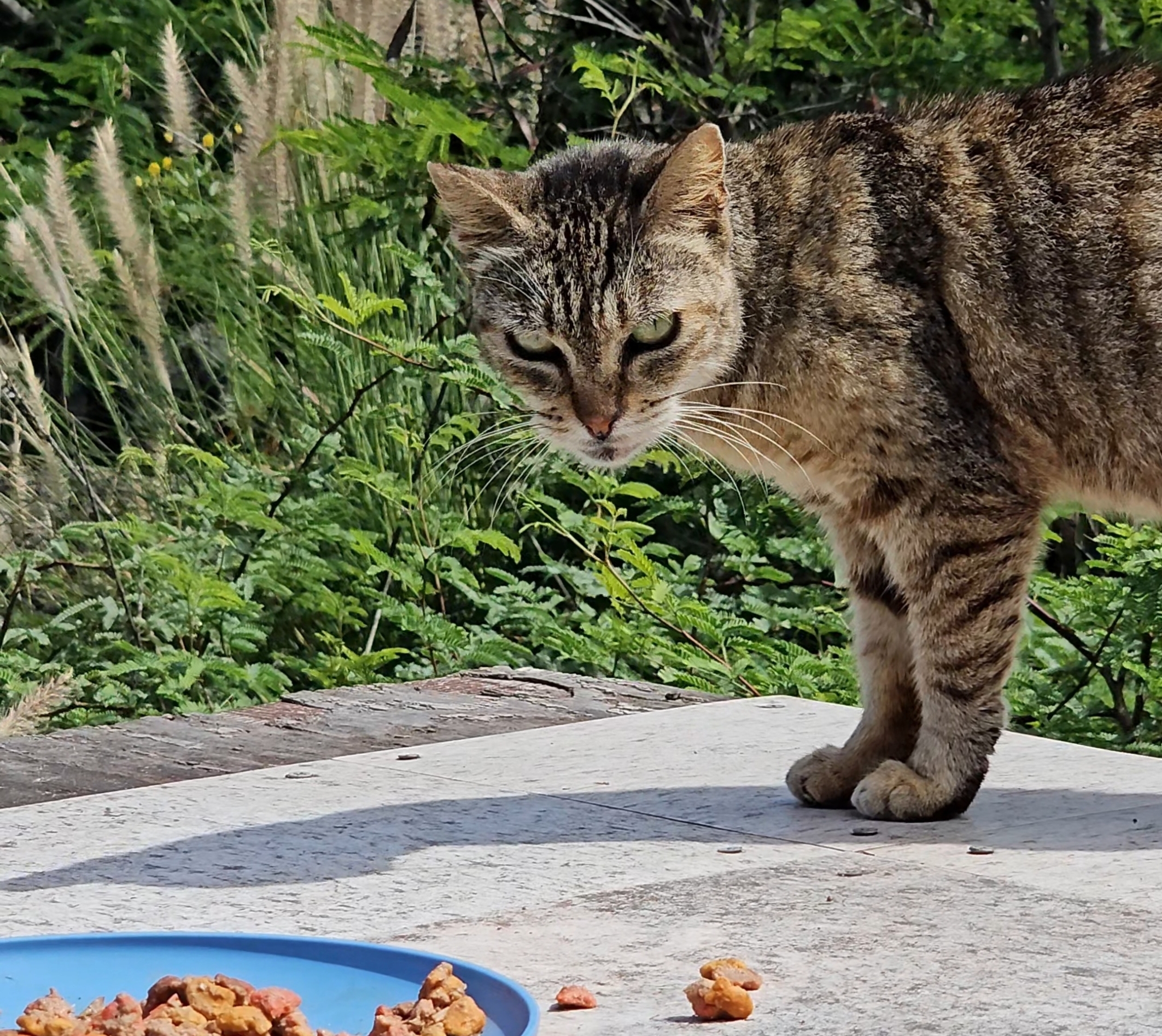
Tabby cat looking at food plate

Learn why feral cats are a growing concern in Hawai‘i and what’s being done to protect wildlife, manage colonies, and promote humane solutions.
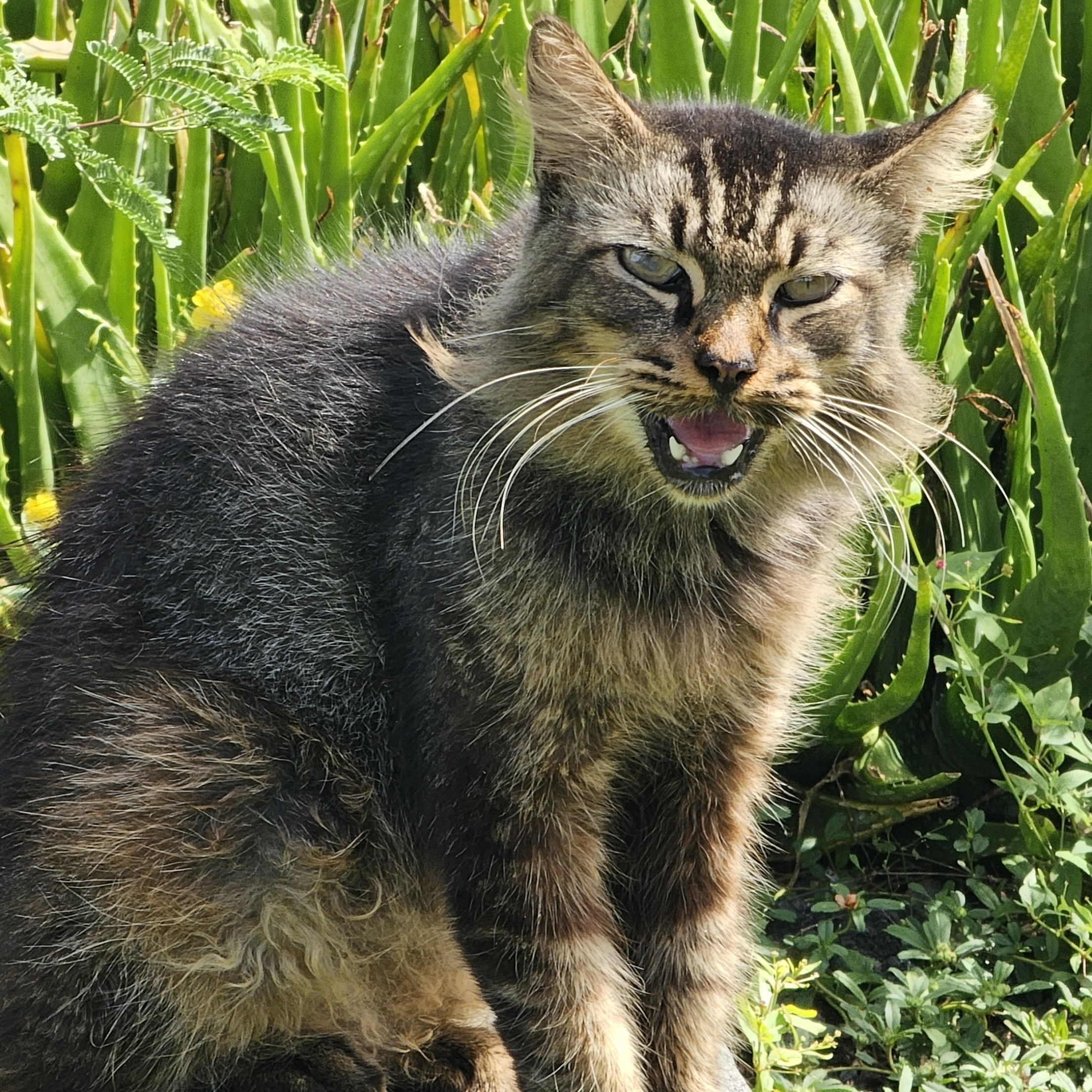
Feral, lost, and stray cats are common in Hawaii, and although they may look alike, their behavior, needs, and the community’s response to them can vary. Before taking action, learn how to distinguish between them and their individual needs.
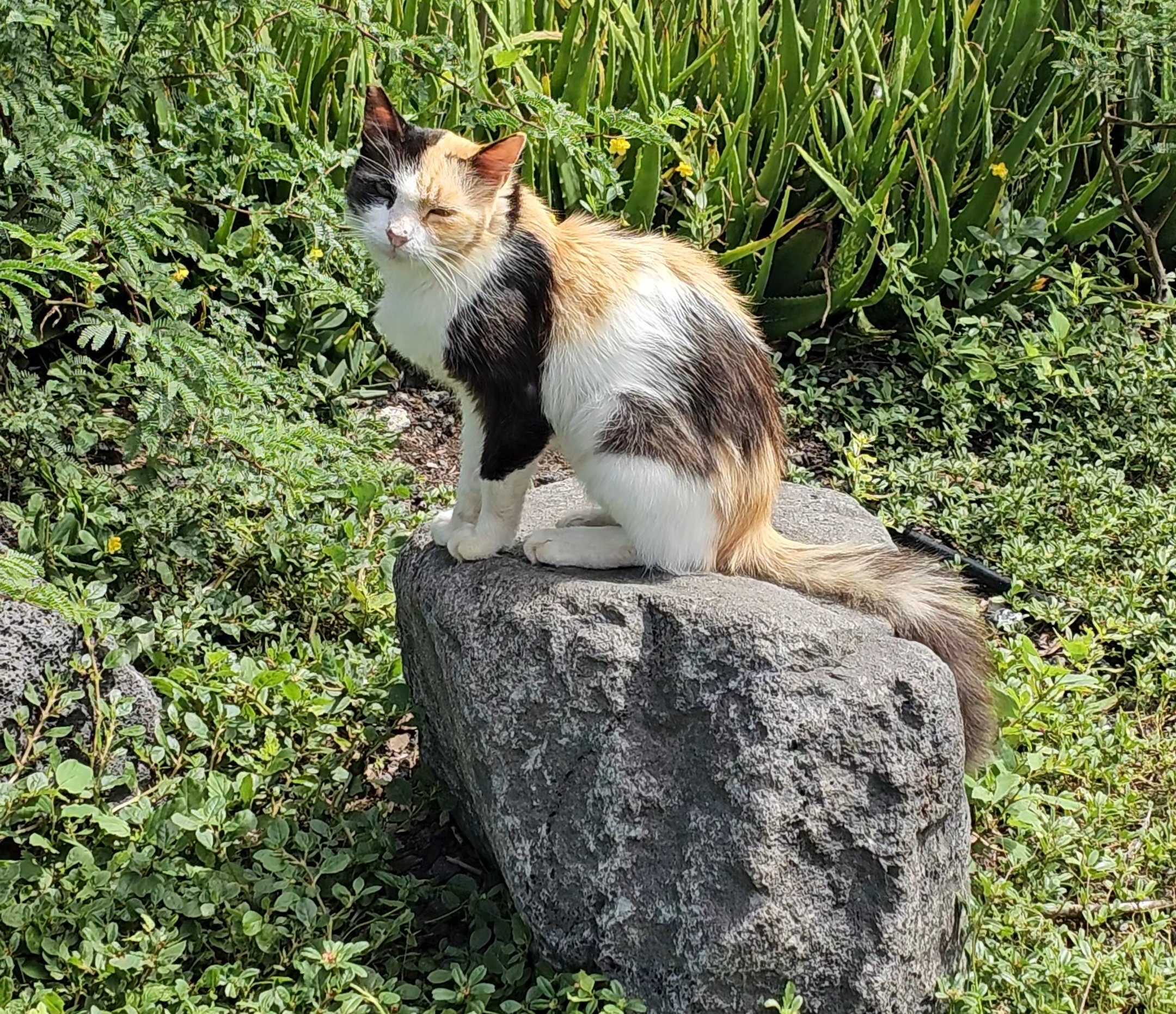
white, orange, and black cat sitting on a rock

Curious about TNR in Hawai‘i? Learn what Trap-Neuter-Return means, how it works, and whether it’s an effective, humane option for managing feral and stray cats.

Related Articles

Are Pet Cats Allowed to Roam Free

Pet Care and Advice

Mobile Vet Services