
Hawaii Cat Caretaker Certification Program
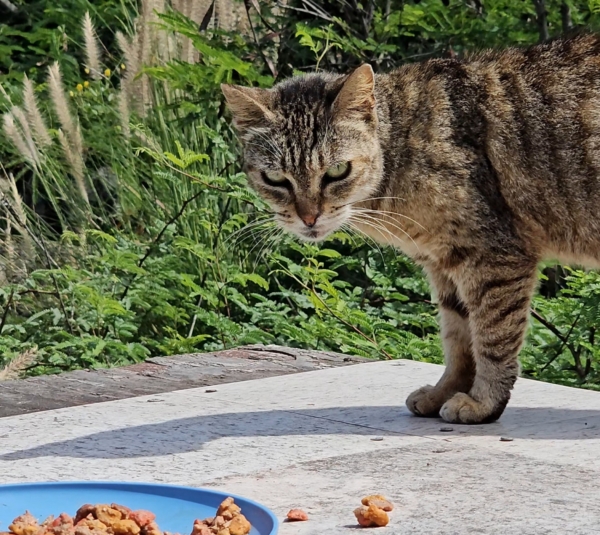
Aloha, and welcome to the cat caretaker and feeder certification course!
This training guide will help you understand how to manage cats and colonies on the Hawaiian Island. We’ll cover feeding best practices, reducing impact on the environment, and how to avoid endangered species.
This course should take 2-3 hours to complete. There are two main modules: a Hawaii Wildlife Guide with a short Quiz and the Community Cats Podcast certification course for community cat feeding, caretaking, and TNR (trap, neuter, return).
Join the experts at Neighborhood Cats for a 2.5-hour workshop designed to give you the tools and confidence to run successful Trap-Neuter-Return (TNR) projects and provide top-notch colony care. You’ll learn how to plan and organize trapping projects for maximum success. Work effectively with neighbors and property owners. Safely trap entire colonies and manage challenging cats. Set up feeding stations and provide shelter year-round. Handle the unexpected—because every colony is different.
With these strategies, you’ll reduce suffering, prevent countless litters, and create healthier, more stable cat colonies. You can make a real difference for the cats who need you!
At the end of this course, you’ll be a certified cat caretaker and environmental steward on Hawaii island.
Mahalo for joining the team and caring for Hawaii’s wildlife!
If you have any questions, please email us at alohaanimalalliance@gmail.com.
About The Author
Elizabeth Wing is an award-winning educator, conservation leader, and curriculum designer whose work integrates environmental stewardship, inclusive education, and community engagement. She holds a Doctor of Education in place-based and environmental learning (Antioch University) and a Master of Arts in Zoology (Miami University’s Project Dragonfly).
She spent 15 years at Seattle’s Woodland Park Zoo creating inquiry-based programs that connected thousands of children to wildlife and conservation. At Carnation Elementary, she transformed the school into a certified Sustainable Green School, launched a USDA Farm-to-Lunch program, and secured $16,000 in stewardship funding with the Snoqualmie Tribe for salmon habitat restoration, rain gardens, and watershed education.
Her leadership has been nationally recognized with the U.S. Department of Education Green Ribbon School Leader Award and the Patsy Collins Award for Excellence in Education, Environment & Community. She has also conducted global conservation fieldwork in Belize, Thailand, Botswana and Namibia, integrating indigenous knowledge and sustainability into education.
Elizabeth’s career exemplifies the power of place-based education to inspire stewardship, empower youth, and build resilient communities.
– Elizabeth Wing Ed.D., M.A. in Zoology