
Are Pet Cats Allowed to Roam Free?
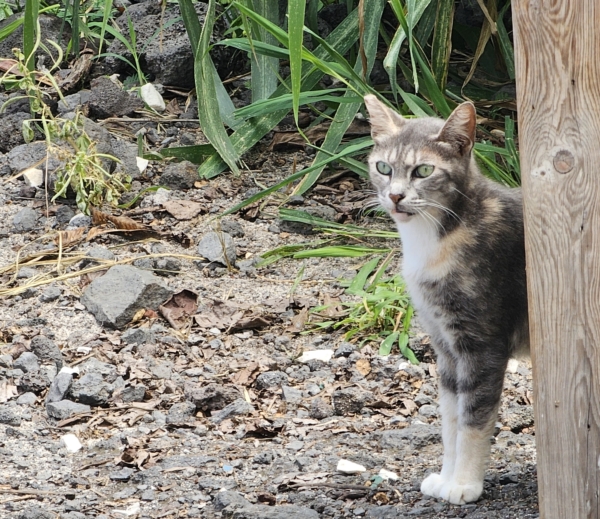
In many neighborhoods, seeing cats outdoors is a normal sight. But, is it actually allowed and should pet cats have free access to the outdoors? Even if they’re just wandering around the neighborhood for a few blocks before heading home, your cat’s outdoor adventures could be disruptive. There are questions around safety and how cats impact the local environment. Considering how high the cat population is in Hawaii, pet parents on the island often wonder if letting their cats roam free is the right choice.
In Hawai‘i, where both pet and community cat populations are high, the issue of free-roaming cats is especially complex. This article looks at what roaming means, the risks to cats, the impact on native wildlife, and safer alternatives that still meet your cat’s behavioral needs.
What does “roaming” mean for pet cats?
Roaming typically refers to cats having unrestricted outdoor access. These cats may spend their days exploring the neighborhood, hunting, or lounging in sunny spots, often without direct supervision. Some of them are truly “owned” pets, while others may be community cats (cats that live outside and are cared for by multiple people).
Cats are hardwired to roam. Going outside satisfies natural instincts like climbing, scratching, and hunting, but those same instincts can also lead to risks. Pet cats can wander far from home, fight with other animals, or bring home prey.
Not all outdoor cats are the same. A feral cat may avoid humans entirely, while a pet cat might walk over to say “hi.” Understanding these differences can help you decide whether free roaming is the best choice for your pet.
Are cats legally allowed to roam free in Hawaii?
Unlike dogs, cats in most areas of Hawaii do not legally need to be on leash. There isn’t a single statewide law banning pet cats from roaming, but counties and neighborhoods may have specific rules, especially in areas near bird sanctuaries or environmentally sensitive zones.
For example, some conservation areas prohibit cats altogether to protect endangered native species. Homeowners associations (HOAs) may also set their own guidelines about outdoor pets. On the mainland, a few U.S. cities have introduced cat leash laws, and while Hawaii hasn’t followed suit, pet parents should be aware that letting cats roam is a legal “gray area.
Risks of letting cats roam outdoors
It’s easy to see the appeal of letting your cat outside—fresh air, new smells, and plenty to explore. But the outdoors also brings serious risks that can cut a cat’s life short and cause unnecessary stress for families.
Traffic accidents: Even the most cautious cat may dart into the street if startled, and cars pose one of the biggest dangers to roaming pets.
Predators and fights: Outdoor cats often run into mongooses, dogs, or other cats. These encounters can lead to bites, scratches, and infections.
Parasites and disease: Fleas, ticks, and viruses spread quickly outdoors. Cats that roam are also more likely to pick up illnesses if they come into contact with unvaccinated or feral cats. (See our article on what to do if you find a lost cat for tips on how to help stray cats safely.)
Poisons: Rat poison, pesticides, and even certain yard plants are common hazards that can cause sudden and severe illness.
Shorter lifespan: Research has shown what many vets already see in practice—cats that live outdoors usually don’t live as long as indoor cats. One large study that looked at more than 3,000 cats who had passed away found that outdoor cats had a median age of about 7 years, while indoor cats lived closer to 9.5 years on average. Exact numbers vary by study, but there’s a clear consensus: cats face more risks outside, and those risks can shorten their lives.
Along with the emotional toll, vet bills for injuries, illnesses, or emergencies picked up outdoors can be significant. Preventive care like spay and neuter surgery also becomes even more important for cats that may slip outside, since it reduces roaming behaviors and health risks.
Environmental impacts of free-roaming cats in Hawaii
Hawaii’s fragile ecosystem makes roaming cats an especially sensitive issue. Cats are natural hunters, and even well-fed pets will stalk birds, lizards, and insects. In a state with endangered native bird populations, this has sparked ongoing debate.
Organizations such as DLNR Hawaii and the Audubon Society have documented the significant toll cats take on native wildlife. While some point to feral and community cats as the primary concern, even pet cats contribute to this impact when allowed to roam freely. (Learn more in our Feral & Stray Cat FAQ: Local Info, TNR, and More.)
Indoor vs. outdoor cat behavior and welfare
Many cat parents believe cats are happier outdoors because it seems more “natural.” And it’s true, outdoor cats display behaviors like hunting, roaming, and scent marking more often. However, these behaviors come at a cost to their safety.
Indoor cats, while protected, sometimes struggle with boredom or stress if their environment isn’t enriched. The key is to replicate natural stimulation indoors through scratching posts, climbing trees, puzzle feeders, and play sessions. Cats thrive on routine and activity, and with the right enrichment, indoor cats live longer, healthier lives.
In other words: your cat’s behaviorial needs can be met indoors without the risks of free roaming.
Safer alternatives to free roaming
If you’d still like your cat to enjoy fresh air and sunshine, there are safe ways to give them a taste of the outdoors without the dangers of roaming. With the right setup, cats can explore, play, and watch the world go by—in the comfort of their own home.
Catios or enclosed patios: Outdoor enclosures give cats the sights and smells of nature while keeping them safely contained. They come in all sizes, from window boxes to backyard structures.
Harness and leash training: Many cats can learn to walk on a leash if introduced slowly and with a comfortable, well-fitted harness. It’s a great way to let curious cats explore while you stay in control.
Supervised yard time: With secure fencing or your direct supervision, cats can stretch their legs outside while you keep an eye out for potential hazards.
GPS collars: These can provide extra peace of mind by tracking your cat’s location. Just make sure the GPS is attached to a breakaway or safety collar designed for cats.
These options let cats enjoy the stimulation of the outdoors without the risks of traffic, predators, or poisons. They also help protect Hawaii’s native birds and reduce the number of cats that get lost or injured outside.
FAQs about free-roaming cats in Hawai‘i
Is it cruel to keep cats indoors?
Not at all. With enough enrichment, indoor cats live safer, longer, and equally happy lives.
Do cats actually want to roam free?
Some cats show curiosity about the outdoors, but much of this can be met through indoor play and stimulation.
How far will a cat roam from home?
Studies show cats may roam anywhere from a block to several miles. In Hawai‘i, this puts them at high risk of encountering cars or predators.
Are cats happier indoors or outdoors?
Happiness depends on enrichment. Indoor cats with toys, scratching posts, and playtime are often just as fulfilled as outdoor cats.
What can I do if my neighbor’s cat roams into my yard?
Talk with your neighbor first. If the cat appears unowned, consult resources on displaced pets. Humane deterrents (like motion-activated sprinklers) can also help keep roaming cats out of sensitive areas.
Letting cats roam might feel natural, but in Hawai‘i it comes with real risks—to the cats themselves and to the native wildlife around us. The good news is that indoor cats can live long, healthy, and happy lives when their needs for play and enrichment are met. With safe alternatives like catios, leash training, or supervised outdoor time, families can give their cats the best of both worlds.
If you’ve been wondering about ways to keep your pets safe or you want to learn more about cat care in Hawaii, you may also be interested in our guides on spay and neuter costs, lost and found pets, and our feral and stray cat FAQ. Together, these resources can help you make informed decisions that keep your pets safe, protect local wildlife, and strengthen our community’s bond with the animals we love.