Veterinary Care for Cats & Dogs
Veterinary care for cats and dogs
Community clinics, mobile veterinary care, prescriptions, medication delivery, vaccines, wellness care, and other services for owned cats and dogs.
Services to help Hawaiʻi Island animals and their families.
Community clinics, mobile veterinary care, prescriptions, medication delivery, vaccines, wellness care, and other services for owned cats and dogs.
Trap rentals, property-assistance requests, caretaker resources, and humane programs for free-roaming and neighborhood cats.
Access the Cat Help DeskThree ways in: ask AAA for help with cats on a property, learn about caretaker certification and training, or volunteer on the data projects that guide our community-cat work.
Cats on a residential, rental, business or private property? Tell us about the situation so AAA can assess it. Trapping yourself? Borrow a humane trap from Kona or Pāhoa.
Become a certified Partner Community Cat Caretaker: the five certification steps, the training courses, the Code of Conduct & Participation Agreement, and a best-practices bot for caretaker questions.
Help document colonies for the West Hawaiʻi Community Cat Census, or keep the Meow Metrics database accurate as a remote-friendly Data Keeper.
From veterinary care to community-cat assistance and animal travel, Aloha Animal Alliance helps you find the right support. Explore our services below to learn more or submit a request.
Find upcoming clinics and learn about our veterinary services across Hawaiʻi Island. Use ezyVet to request or manage an appointment. Your confirmed appointment will include the clinic location and arrival time.
Need help with community cats on your property or in your neighborhood? Tell us about the location, the cats and your concerns so our team can assess the situation and discuss possible next steps.
Planning to travel with your pet or looking for help with an approved off-island transfer? Ask about flight options, health-document requirements, travel carriers and airport coordination.
Help build a healthier, more responsibly managed community-cat population. Become a certified Partner Community Cat Caretaker through our five-step program, with training, practical guidance and a shared commitment to responsible care.
Explore the courses, Code of Conduct & Participation Agreement, and our best-practices bot for everyday caretaker questions.
Have a pet question? Ask Oliver for guidance on caring for pets on Hawaiʻi Island—from toad encounters and leptospirosis to lost and found pets, county rules, flying with pets, affordable veterinary care and community cats. Ask Oliver or browse the guide.
Help us understand where animals are, what they need and where our efforts can make the greatest difference. Whether you enjoy fieldwork or prefer to volunteer from home, each project offers clear assignments, guidance and a consistent way to record your findings.
Help build a clearer picture of community-cat populations in West Hawaiʻi. Photograph cats, document colonies and organize identification and microchip records using Meow Metrics. Your contributions help teams plan targeted sterilization efforts and track progress over time.
Help identify areas where free-roaming dogs may pose risks to animals and people. Drive assigned routes and record sightings, including dates, times, descriptions and recurring patterns.
Observe from a safe distance. Volunteers do not approach dogs or enter private property.
Help turn field observations and clinic records into reliable information. Enter records, cross-reference microchip numbers and review duplicate or outdated entries so field teams and clinics can coordinate care and follow each colony’s progress.
To request a clinic appointment or mobile veterinary visit, start by creating your account in ezyVet.
For mobile care, please then email Dr. Kelly with a brief description of your pet’s needs and any relevant medical records. This helps her review your request and determine the next steps.
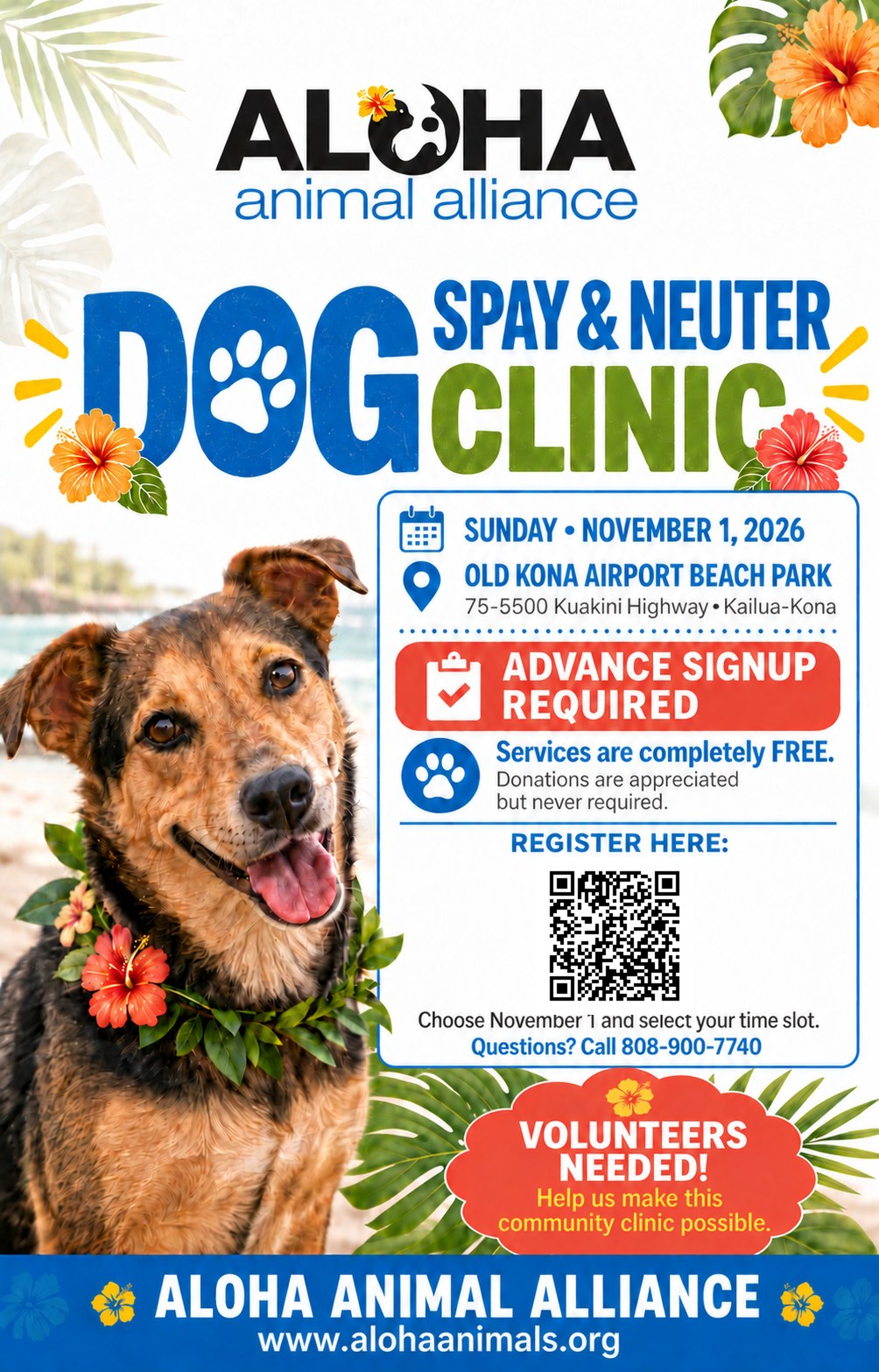
A free, dogs-only spay and neuter day in Kona. Services are completely free — donations are appreciated but never required.
Clinic listings show the date and general service area only. After an appointment is confirmed through ezyVet, the client receives the exact clinic location, arrival time and preparation instructions.
Current AAA veterinary patients may request a medication refill or electronic prescription, or order approved medications through the AAA home-delivery pharmacy.
Create or sign in to your ezyVet account and submit the appointment request there. This avoids entering the same client and patient information twice.
AAA will offer a specific date and time based on availability. Submitting a request does not create or confirm an appointment.
 View full-size in-home care flyer
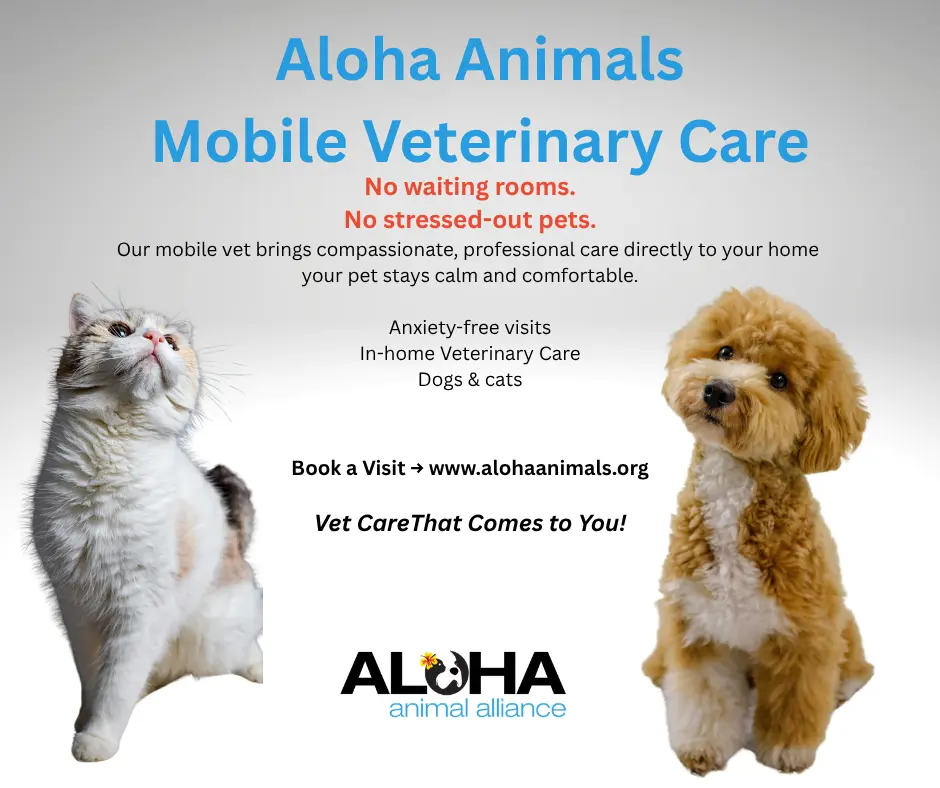 View full-size mobile veterinary care poster
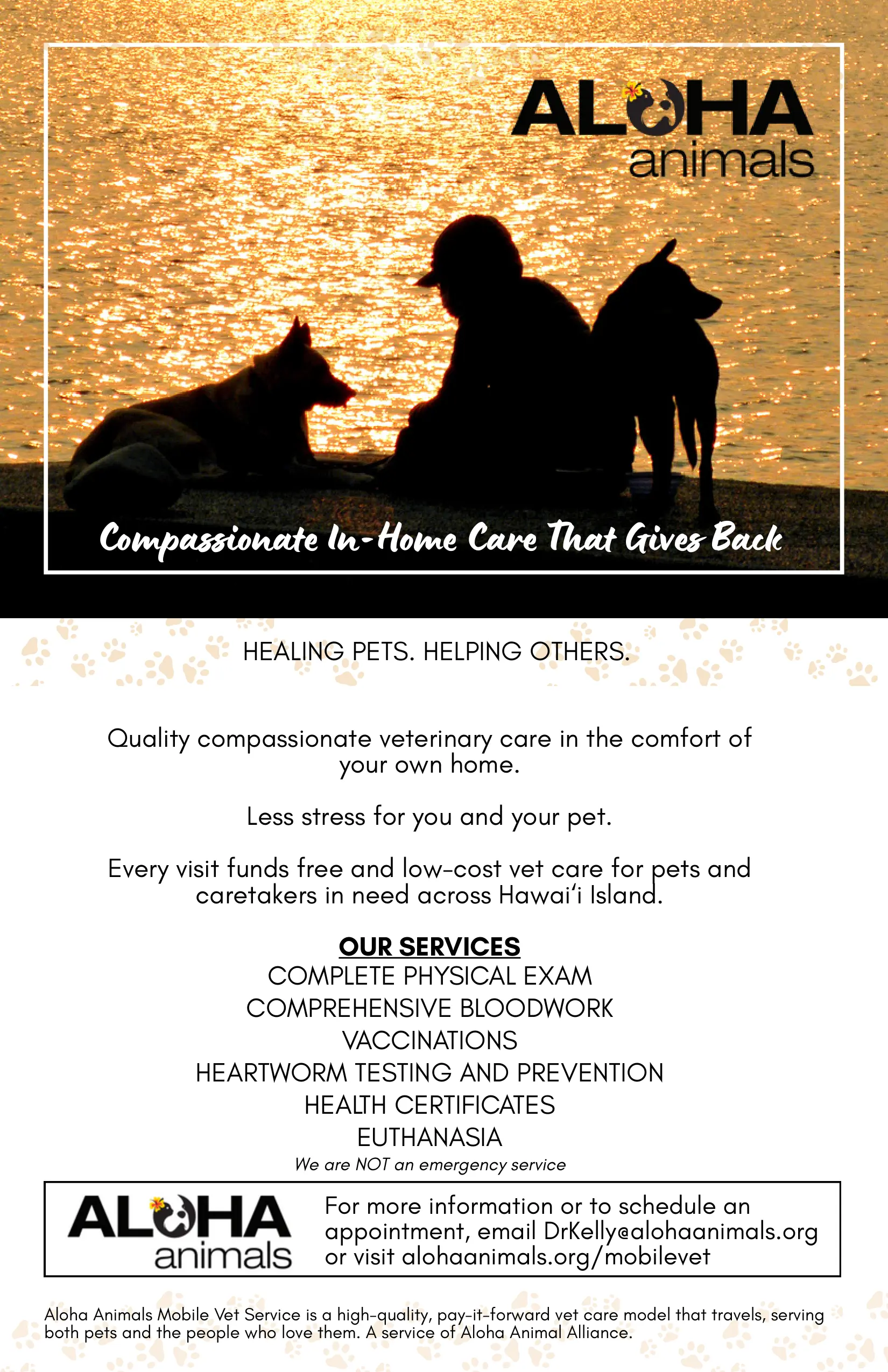
Quality compassionate veterinary care in the comfort of your own home. Less stress for you and your pet.
Every visit funds free and low-cost vet care for pets and caretakers in need across Hawaiʻi Island.
Our services
For more information or to schedule an appointment, create or sign in to your ezyVet account, then email Dr. Kelly with your pet’s needs and relevant medical records.
Choose a month to see the clinic dates and events scheduled for it, then pick a highlighted day for details. Clinic locations remain private until ezyVet confirmation.
Healthy, social cats who are unlikely to be adopted on Hawaiʻi Island are flown to mainland partners with the adopter traffic the island doesn't have. Every cat leaves spayed or neutered, vaccinated and cleared for travel.
Our partnership with Whiskers & Wine Café gives cats from Hawaiʻi Island another pathway to loving homes. At the San Diego adoption café, cats can explore, play and meet potential adopters in a relaxed setting where their personalities shine.
Aloha Animal Alliance coordinates preparation and travel from Hawaiʻi Island. Whiskers & Wine welcomes the cats, provides daily care and guides the adoption process. Every transfer begins with a confirmed space at the café.
A secure payment processor handles the card transaction. AAA does not collect or store raw credit-card numbers on the website.
The customer selects Kona or Pāhoa, submits the request and rental agreement, and pays the refundable replacement deposit securely online. AAA confirms inventory, pickup date, time and location.
Staff record the return date, trap IDs and condition. The saved authorized payment method is charged for the final rental fee, and the refundable deposit is returned in full or adjusted under the agreement.
Choose pickup area and traps.
Hosted payment page.
AAA sends confirmed instructions.
Rental charged and deposit refunded.
Opportunities below update automatically as AAA adds, pauses or fills roles. Apply for a specific role or join the general volunteer database.
Help our veterinary team run community clinics and the free Dog Spay & Neuter Clinic on Sunday, November 1 in Kona. Volunteers help with check-in, client flow, supplies, setup and breakdown, and — once approved — animal handling and recovery monitoring. No veterinary experience is required for most tasks.
As the library grows, members will access practical best practices, featured guests, interviews, podcasts, training resources and downloadable guides in one organized place.
Community-cat care, trapping, field documentation, pet care and volunteer guidance.
Conversations with veterinarians, data specialists, animal-welfare leaders and local partners.
Searchable recordings, notes, resources and future member events.
Member accounts aren't open yet. Leave your email and AAA will reach out when the portal — and secure member login — is ready.
Reference . AAA will email you when member accounts open.
Your donation supports accessible veterinary care, humane community programs, field data projects and practical animal services.
Aloha Animal Alliance began with concern, listening, and a desire to give back to the island community that has welcomed us.
In 2021, our co-founder, Lauren Turnbaugh Foo, began noticing a change in animal-related conversations on Facebook and Instagram. Posts were becoming increasingly negative, reflecting frustration over free-roaming dogs, shelter access, euthanasia, and uncertainty about where people could turn for help. She began attending monthly County Council meetings to better understand what was happening and the challenges facing animal management on Hawaiʻi Island.
In 2022, the County established the Animal Control and Protection Agency, with a strong emphasis on enforcement. Meanwhile, the community was experiencing overlapping challenges: pandemic-era shelter closures and service disruptions, gaps in management, limited public guidance, and unmet needs for animal care. We saw a need for prevention, accessible services, and community participation to help address the underlying causes.
We formed a grassroots group called Hawaiʻi Island Pets Alive and began listening to residents, animal welfare organizations, and people working every day to help animals. We asked about their experiences, the barriers they faced, and the ideas they believed could improve the situation.
When we brought those concerns and ideas back to the County Council, we were advised that establishing a nonprofit would provide a formal structure through which the County could work with us. That guidance helped lead to the creation of Aloha Animal Alliance.
From the beginning, our focus has been on practical programs that prevent suffering, help families care for their animals, and reduce pressure on shelters and animal control.
One Health—the understanding that the health of people, animals, and the environment is interconnected—is the lens we use to evaluate everything we do. It guides our veterinary programs, community cat management, education, and partnerships. We consider the immediate need alongside the broader effects on families, communities, and Hawaiʻi’s ecosystems.
Sustainability is at the core of this approach. Our programs need realistic funding, responsible use of resources, and a team with the capacity to carry the work forward. We aim to develop solutions that our community can sustain and that provide lasting benefits for people, animals, and the island we share.
One of the clearest needs we identified was access to veterinary care. Community members, nonprofits, rescues, and shelters were struggling with both availability and affordability. A shortage of veterinarians and veterinary technicians, combined with the cost of care, put essential services out of reach for many.
In response, we developed our community wellness clinic model, bringing accessible veterinary services closer to where people live. Today, Aloha Animal Alliance hosts five community clinics each month in Kona, Ocean View, Pāhoa, Hilo, and Waimea. Veterinary professionals, volunteers, and community partners work together to make these clinics possible.
We are also working to expand access to spay and neuter services in West Hawaiʻi. Our next dog-focused clinic is scheduled for November 1, 2026. Increasing access to these services helps prevent unwanted litters and reduce future shelter intake.
Our veterinary team works directly with Animal Control twice each month to help address the backlog of veterinary needs on the west side. We would welcome the opportunity to expand this partnership through the County’s mobile veterinary services van, which we understand has returned to Animal Control. Together, we could bring care to more communities.
To help sustain our community programs, we have introduced an in-home veterinary service. This paid service offers care at market rates, with proceeds supporting additional community clinics. Building a full schedule on these service days is an important next step toward creating dependable support for accessible care.
We also provide veterinary assistance to nonprofits, rescues, and shelters, helping them care for the animals entrusted to them. Supporting these organizations strengthens the wider network of animal care across Hawaiʻi Island.
As our work expanded, we encountered another significant gap: where could free-roaming cats go when they could no longer remain in their existing location?
Conversations with caretakers, property owners, businesses, veterinarians, and community partners highlighted situations involving environmentally sensitive areas, development, displacement, and ongoing conflicts. Sterilization could prevent additional litters, but it could not resolve every concern about where cats were living.
We began developing a managed reserve concept: a secure, carefully maintained environment for sterilized community cats whose relocation is necessary. Its purpose is to support humane animal management while helping protect Hawaiʻi’s environment.
Through a partnership with a private landowner, the concept began taking shape on approximately five acres in Naʻālehu, in Kaʻū. Development involves secure containment, shelter, water, controlled access, acclimation, daily care, and veterinary oversight.
The reserve is currently in its test phase and is not yet fully operational. We recently welcomed our first residents from Hilton Waikoloa Village. This initial placement allows our team to observe how the cats adjust, refine care routines, and evaluate the practical requirements of managing the site before considering further expansion.
The model is based on closed admission, with placements tied to identified relocation needs, available capacity, and our ability to provide appropriate care. Cats entering the program are sterilized, vaccinated, microchipped, documented, and monitored. Every placement carries an ongoing responsibility, and development must proceed at a pace our team and resources can support.
The reserve fits within a broader approach to community cat management. Where cats can be responsibly managed in place, coordinated sterilization, controlled feeding, caretaker education, and monitoring remain important tools. Where environmental concerns or other conditions make continued management impractical, carefully planned relocation may provide another option. Adoption and partner transfers offer additional pathways for social cats.
We are using this test phase to learn, document results, and determine whether the model can be workable and sustainable. Coordination among landowners, veterinary professionals, caretakers, businesses, and public agencies is essential to that process.
Access to information has been part of our mission from the beginning. People often need help understanding which services are available, where to turn, and what steps to take when an animal needs assistance.
We recently updated our website to include help bots for general questions about dogs and cats. These tools give visitors another way to find information and navigate available resources.
By connecting people with useful guidance and accessible services, we hope to help our community act earlier, make informed decisions, and prevent avoidable problems.
As Aloha Animal Alliance grows, we are building what Lauren likes to call “the best team on the planet”—veterinary professionals, volunteers, and community partners who bring different skills and a shared commitment to our island.
Together, we are developing the programs and partnerships needed to substantially change how Hawaiʻi Island approaches animal welfare. We envision a future where accessible care, reliable information, prevention, and coordinated community action reduce the crises that place so much pressure on families, shelters, and animal control.
Our work began by listening and asking how we could turn concern into practical action. That continues to guide us as we work alongside our community and the County toward lasting change—for animals, for people, and for the island we share.
Our team brings together experience in veterinary care, education, organizational leadership, finance and community service. Working alongside volunteers and partners, we listen to community needs and build practical, compassionate solutions for Hawaiʻi Island’s animals and the people who care for them.
Co-Founder & President
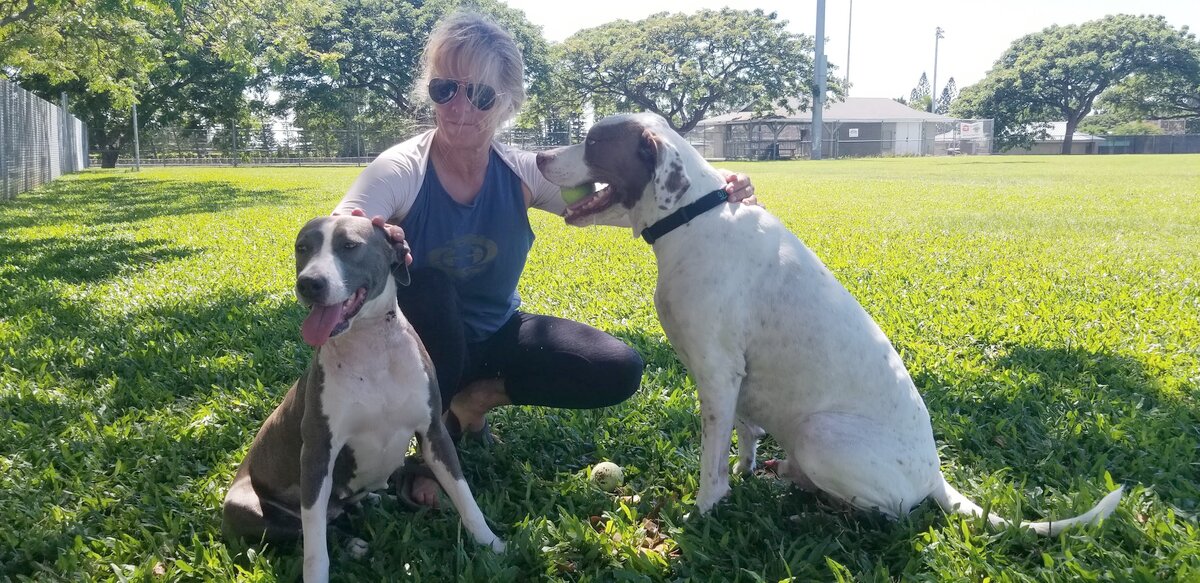
Lauren Turnbaugh Foo co-founded Aloha Animal Alliance out of a desire to give back to the community and island that have welcomed her. She believes caring for animals, supporting their caregivers, and protecting Hawaiʻi’s unique environment are connected responsibilities.
With a diverse background in entrepreneurship, business consulting, technology, and global operations, Lauren brings experience in connecting people and turning ideas into action. She also serves as Chief Operating Officer of HYPR NALU, a waterman products company.
Through Aloha Animal Alliance, Lauren is focused on bringing together dedicated people with diverse talents to build what she affectionately calls “the best team on the planet.” She believes the organization’s strength lies in its people—veterinarians, volunteers, and community partners working toward a shared purpose. Together, they are expanding access to veterinary care and developing compassionate, practical solutions for Hawaiʻi Island’s animals and the people who care for them.
For Lauren, this work is a way to return the aloha she has received—with gratitude, care, and a commitment to the place she calls home.
Co-Founder & Director
Vice President & Medical Director
DVM, B.S. Biology
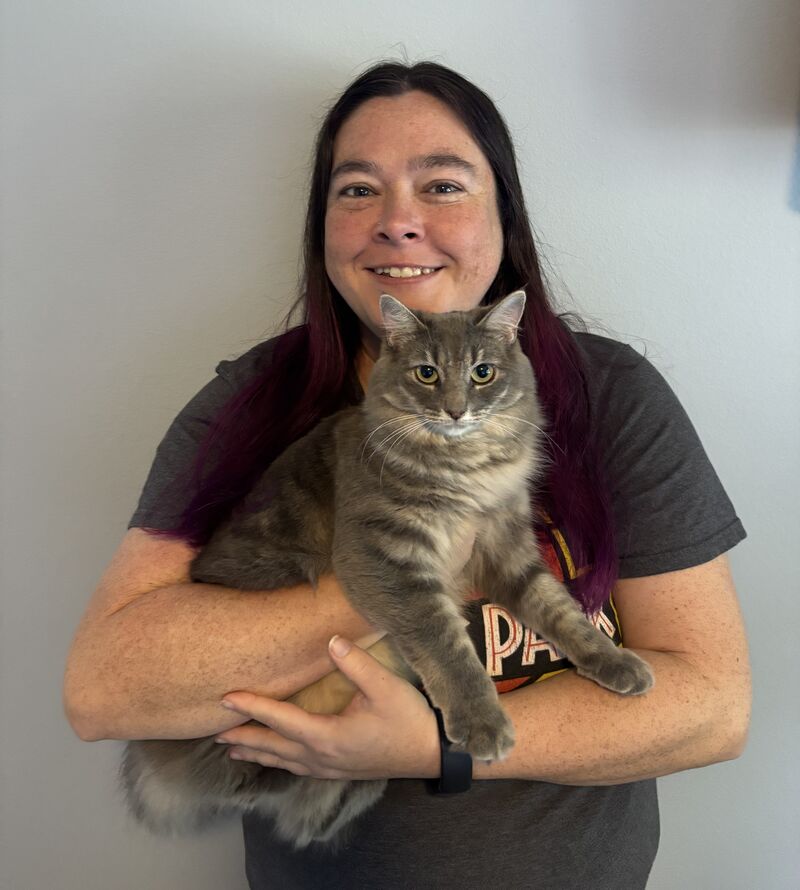
Dr. Foster is originally from Birmingham, Alabama. She graduated with a Bachelor of Science in Biology from Birmingham-Southern College and then from Auburn University as a Doctor of Veterinary Medicine.
She moved to Denver, Colorado, and practiced there for 10 years before deciding she had enough of the city life and needed to be closer to the ocean. In 2021, she moved to Kona and started with Waikoloa Veterinary Service.
After some unexpected health issues in 2024, she switched from general practice to focus on helping address the island's pet overpopulation problem, working primarily with Aloha Animal Alliance.
She enjoys spending time with her pets, reading, snorkeling on our beautiful island, and traveling the world with her husband.
Education Director
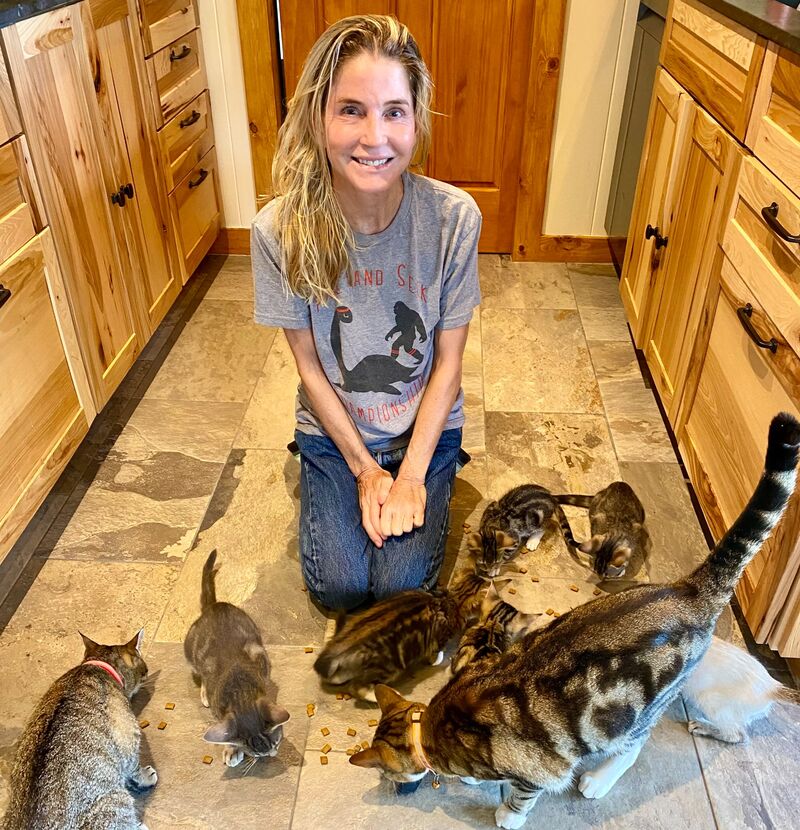
Ed.D., M.A. Zoology
Elizabeth Wing Carlisle is an award-winning educator, conservation leader and curriculum designer whose work reflects a One Health approach, recognizing the interconnected well-being of people, animals, communities and the environment.
She holds a Doctor of Education in place-based and environmental learning from Antioch University, a Master of Arts in Biological Sciences (Zoology) from Miami University through the Project Dragonfly Global Field Program, and a Bachelor of Arts in Political Science from the University of Maine.
Elizabeth began her career at Woodland Park Zoo in Seattle, where she spent 15 years developing conservation and science education programs connecting children with wildlife, habitats and environmental stewardship. She later brought that work into public education, leading sustainability, food systems, watershed and habitat restoration initiatives and building partnerships with organizations including Oxbow Farm and the Snoqualmie Tribe.
Her leadership has been recognized nationally, including the 2019 U.S. Department of Education Green Ribbon School Leader Award, the 2018 Patsy Collins Award for Excellence in Education, Environment & Community, and two King County Earth Hero awards.
Now living on Hawaiʻi Island, Elizabeth applies her background in conservation, education and community engagement to animal welfare and community-cat management. Her work with Aloha Animal Alliance focuses on the connections among humane animal management, native wildlife protection, watershed and ecosystem health, public education and community stewardship.
Through AAA, Elizabeth helps advance collaborative, science-informed approaches grounded in One Health, recognizing that the well-being of companion animals, native wildlife, people and the environments they share is deeply interconnected.
Treasurer & California-Licensed CPA
Secretary & Director
Board Member
Where AAA is focusing its work — accessible care for animals, support for the families who love them, and healthy shared environments — and where we're heading next.
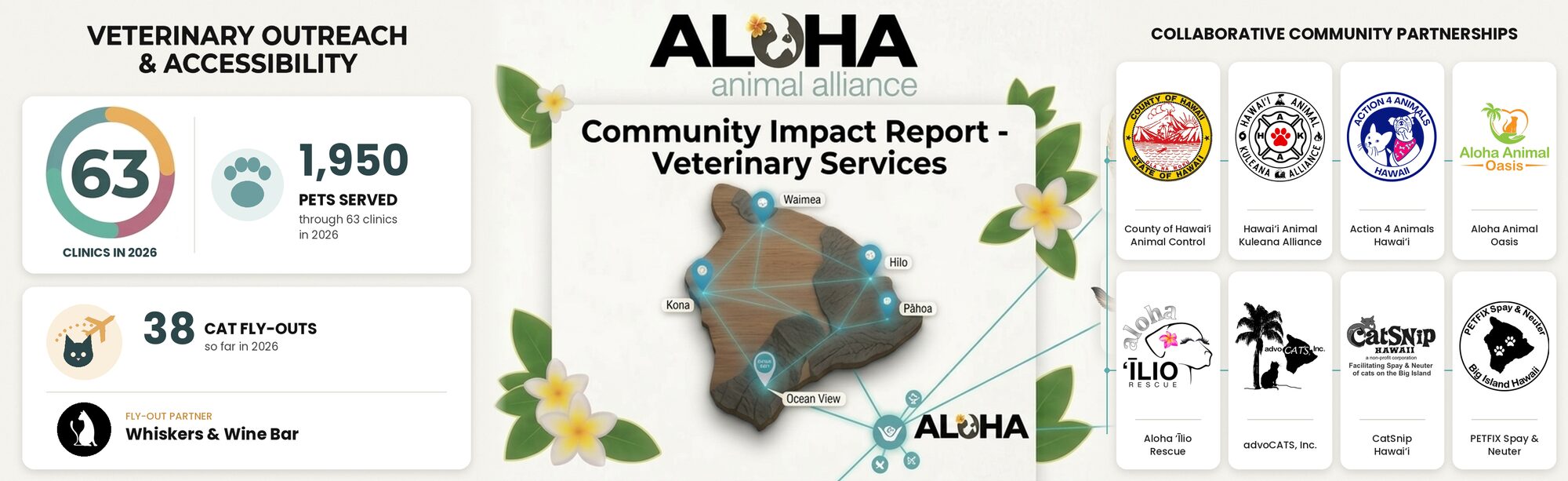
Accessible, quality veterinary and preventive care across the island, from low-cost community clinics to spay/neuter and microchipping.
Healthy, vetted animals who are unlikely to be placed locally fly to mainland partners with the adopters we don't have — each one spayed or neutered, vaccinated and cleared to fly.
Fly outs to date

Humane community-cat management, native wildlife protection and watershed stewardship, with community leaders driving local eco-projects.
Advancing the One Health philosophy with future mobile clinics, expanded shelter capacity and sustainable ecosystem programs.
Select Kona or Pāhoa, review the refundable deposit, and continue to secure payment.
Reference . AAA will confirm inventory and send a secure payment link for the refundable deposit, then confirm your pickup date, time and location.
Apply for a current opportunity or join AAA's general volunteer database.
Reference . AAA will follow up by email about next steps, including any required orientation or waivers.
Choose the clinics and tasks you can help with. AAA confirms every shift by email, including the exact location and arrival time.
Reference . AAA will email you to confirm your shift, the exact clinic location, arrival time and waiver.
Tell AAA about cats on residential, rental, business or private property.
Reference . AAA will follow up by email or phone.
Provide the animal, destination and timing details needed for an initial review.
Reference . AAA will follow up by email.
AAA will use this information to match you with a project, route or data role.
Reference . AAA will follow up with route or project assignment details.

